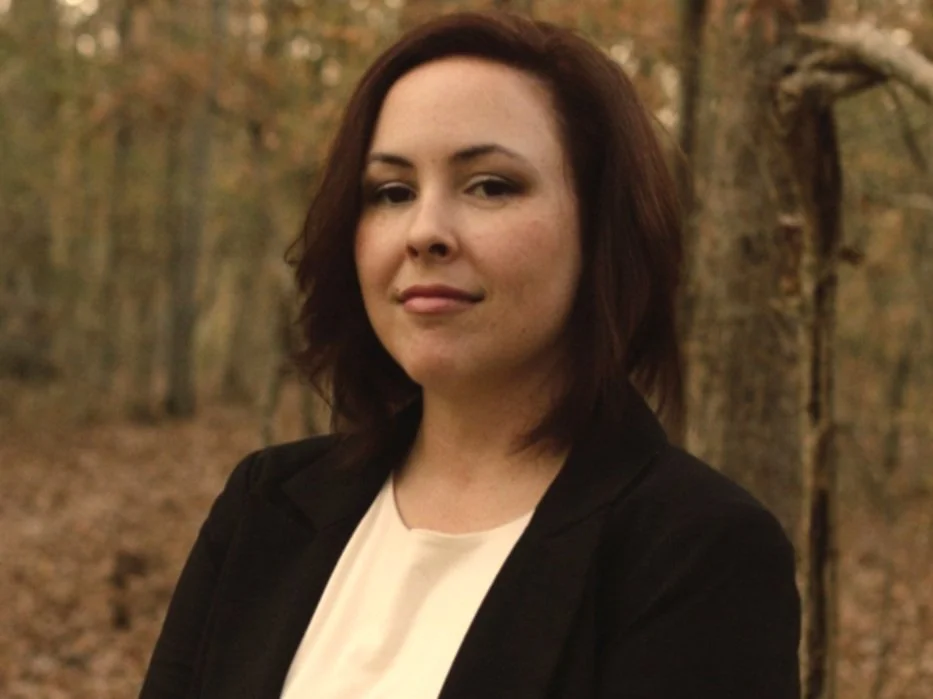
So glad you’ve made it here.
Cassie Parker
LPC NCC CHt
Currently Accepts
BCBS AETNA LUCET
About Cassie Parker
Cassie Parker is a Licensed Professional Counselor and Certified Hypno-therapist based in North Alabama, where she has been dedicated to supporting the mental health of her community since 2017. She earned her master’s degree in clinical Mental Health Counseling from the University of North Alabama and attained the Certificate in Infant & Early Childhood Mental Health at Athens State University in 2024.
EMDR
“I’ve heard of EMDR, but I’m not really sure what it is.”
That’s a common statement. EMDR can sound a bit technical, and its full name (Eye Movement Desensitization and Reprocessing) doesn’t exactly roll off the tongue. But the process is grounded in science and widely recognized by mental health professionals around the world as an effective treatment for trauma and stress-related conditions. Decades of research show EMDR to be highly effective for conditions like:
Post-Traumatic Stress Disorder (PTSD)
Anxiety and panic attacks
Phobias
Complicated grief
Distressing memories or intrusive thoughts
Self-esteem and emotional regulation challenges
EMDR is recommended by the American Psychiatric Association, the World Health Organization, and the U.S. Department of Veterans Affairs as an evidence-based treatment for trauma.
“So, how does it work?”
During EMDR, you’ll focus briefly on a troubling memory while engaging in bilateral stimulation — typically through guided eye movements, tapping, or gentle sounds that alternate from left to right.
This helps both sides of your brain work together to reprocess the memory. EMDR moves the memory from being emotionally “raw” or distressing to something that feels more neutral and manageable.
Hypnosis
“Ehhh, I don’t know about that, sounds kind of woo woo.”
If you found yourself thinking something similar to the sentiment above, know that you’re not alone. There are many misconceptions when it comes to hypnosis. Especially, in the context of therapy use. Let’s address some of those below.
“You mean like the shows where people cluck like chickens? “
Therapeutic hypnosis is not the kind of “stage hypnosis” you might see in entertainment settings. Hypnosis in therapy is a different process, focused on your well-being and guided by evidence-based counseling techniques.
“Okay, but I don’t like the idea of being unconscious.”
Good, because with therapeutic hypnosis you are never “out of it” or unconscious. Hypnosis just helps you pivot into a calm, focused state where it’s easier to make the changes you already want to make.
“I’m too _________ to be hypnotized”
Here’s the interesting thing, you are already being hypnotized much of the time. Ever experienced arriving at your destination point without remembering all the details of getting there? How about being in a class/meeting/training day dreaming about being elsewhere and you jump as someone suddenly calls your name? The hypnotic state can be very similar in experience. In learning more about hypnosis, you increase your personal autonomy and strategies for opting out of the routines of hypnosis we are exposed to on the daily.
“So, what’s actually happening during hypnosis then?”
In a hypnosis session, your therapist helps you reach a calm, inward-focused state. Similar to that feeling of driving somewhere and realizing you’ve been “on autopilot,” or getting lost in a good book.
In that relaxed, focused state, your subconscious mind becomes more receptive to positive suggestions that align with your goals like reducing anxiety, managing pain, building confidence, or breaking old habits.
“What about the science?”
The American Society of Clinical Hypnosis (ASCH) and the Mayo Clinic both recognize clinical hypnosis as a safe, evidence-informed approach when practiced by qualified professionals. In a Longitudinal comparison of the number of sessions necessary with different therapeutic methods conducted by Alfred A. Barrios, Ph.D. found the following:
Psychoanalysis: 38% recovery after 600 sessions
Behavior Therapy: 72% recovery after 22 sessions
Hypnotherapy: 93% recovery after 6 sessions
“What can it help with?”
Relaxation. Weight Loss. Smoking Cessation. Pain Management. Fears/Phobias. Depression. Anxiety. Stress. Self-Confidence. Overcoming Trauma. Anesthesia. Achieving Goals. Creativity. Memory Enhancement. Public Speaking. Sports Performance. Better Study/Learning Abilities. Addictions/Habits. Motivation. Inner Child Therapy. Meditation. Past Life Regressions. Dreams. Coming to terms with grief and more.
〰️
So Glad you're here
〰️
Looking Forward to Hearing From You
〰️ So Glad you're here 〰️ Looking Forward to Hearing From You
Currently Accepting BCBS LUCET AETNA
Offering Both
Online and In-person
Appointments
In-Person Locations Include:
McReynolds House Offices, Office 112, North Main Street Tuscumbia, AL 35674
Wholistic Center at Stone River, 3014 Danville Road SW Decatur, AL, United States, Alabama 35603
Check out our youtube Channel